
Some Final Thoughts on Overrides and the 2.5% Reality
As we come to the end of the year and head into the holiday season, I’ve been reflecting on the last few months — especially the conversations I’ve had with residents all across Melrose, in Ward 3 and beyond.
Over the past few weeks, many of you have stopped me to say congratulations — not only on my campaign, but on the passage of the Override, something so many people worked incredibly hard to achieve. Along with those kind words, I’ve also heard a recurring theme:
“Congratulations, Christopher. I’m happy the Override passed. Now you’ll be able to make sure the money isn’t mismanaged.”
“Now, with the money you have, you’ll put it to proper use so we don’t have to do this again.”
While passing the largest Override in the history of Massachusetts was a significant victory for our schools and city, it also highlights a concern that continues to gnaw at me: there is still a sizeable number of residents who believe the Override was only necessary because of either (a) wasteful spending or inefficiency, or (b) outright corruption.
One of the most frequent questions I heard at the doors — whether I was talking about my own campaign or the Override — was:
“What happened to the $2M that was lost a few years ago?”
I won’t dive into all the details here, but the short version is this: no one stole the money; it was an unfortunate accounting error. (You can find a more complete explanation here in the FAQ.)
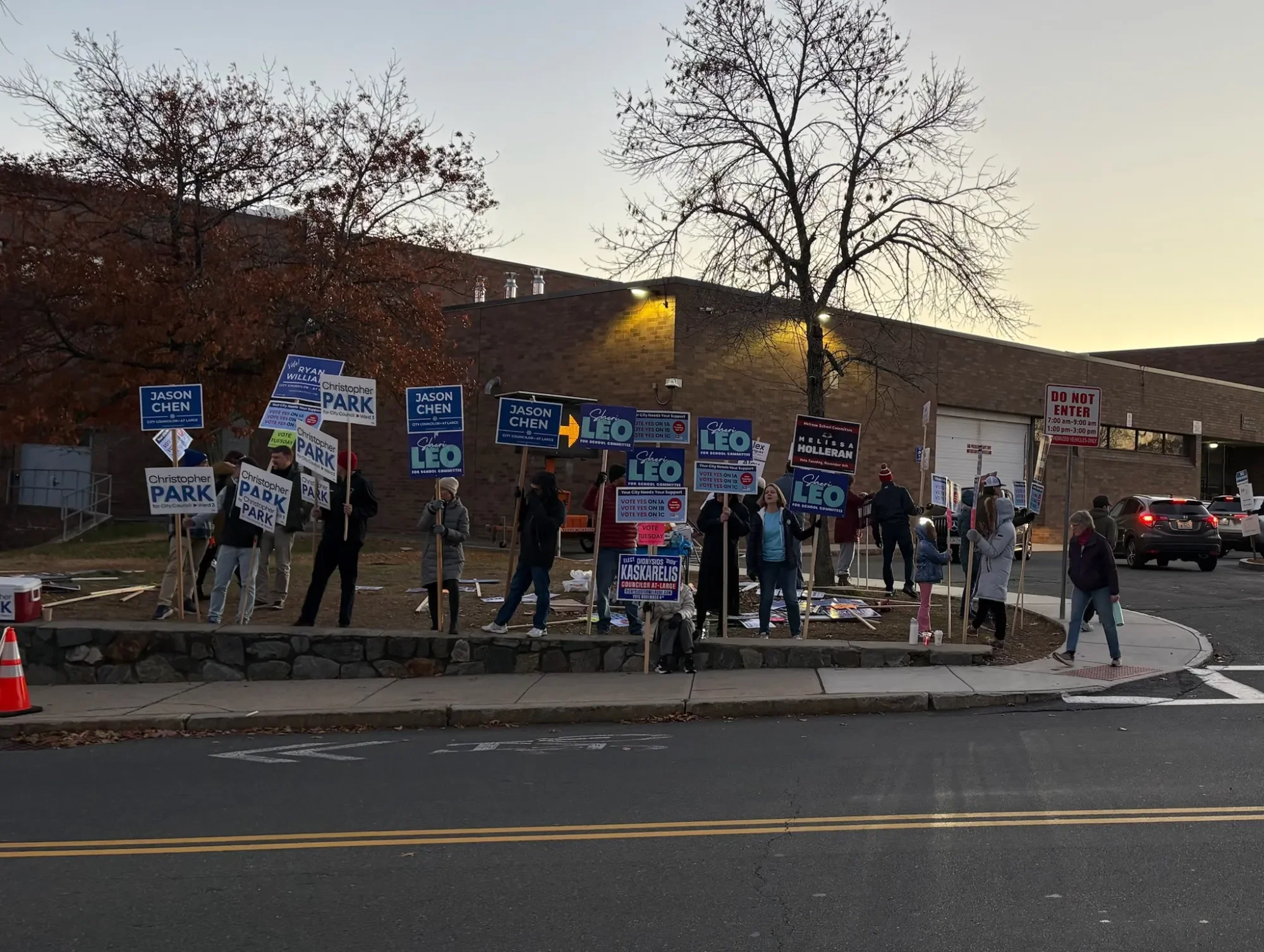
2025 Melrose Election Day
Why Overrides Keep Coming Up
I’ve said this before and I’ll keep saying it: an Override is something a city like Melrose needs on a regular basis. It’s an unfortunate reality of living under a 2.5% cap on annual residential tax growth. Our costs — salaries, utilities, special education, health insurance, infrastructure, and more — do not rise at 2.5% per year. When expenses grow faster than our allowed revenue growth, the math simply doesn’t work without periodic Overrides.
I understand this isn’t a popular perspective. No one wants their taxes to go up. But the sooner we recognize that Overrides will need to happen on a recurring basis, the better we can plan for them. And there is a silver lining: the more regularly we pass Overrides, the smaller they can be, which means less of a shock to your property tax bill each time.
Want More Transparency? Start Here.
For residents who want a clearer window into the city budget — where money comes from and where it goes — there are some excellent resources available:
Jason Chen’s 2-part series on the city budget:
A closer look at budget line items:
The Melrose Messenger provides an interactive breakdown of the budget by expense and salary. (Scroll to the bottom of the article.)
For an even deeper dive, you can review the FY 2026 City Operating Budget on the City of Melrose website.
I’d encourage folks to start with the Messenger’s high-level view and, if your curiosity takes you further, dig into the full city budget. Once you see how the numbers work, it becomes easier to understand why periodic Overrides are not about “inefficiency” so much as they are about math and long-term planning.
In many ways, it’s similar to living in a condominium: HOA fees eventually go up to account for inflation and increasing costs of services and maintenance. That doesn’t automatically mean the board is mismanaging funds; it often means the cost of doing the same work has simply gone up.
Looking Ahead
As part of my platform and my work on the Council, I’ll be focused on two parallel goals:
Mitigating how often we need Overrides, through better planning and long-term financial discipline, and
Reducing our dependence on residential property taxes.
Right now, about 92% of our city’s levy comes from residential property taxes. A key question I’ll keep coming back to is:
Can we get that number below 90%?
That’s the kind of structural change that can make a real difference for homeowners over time — and it’s the kind of conversation I’m committed to having openly, honestly, and often.
